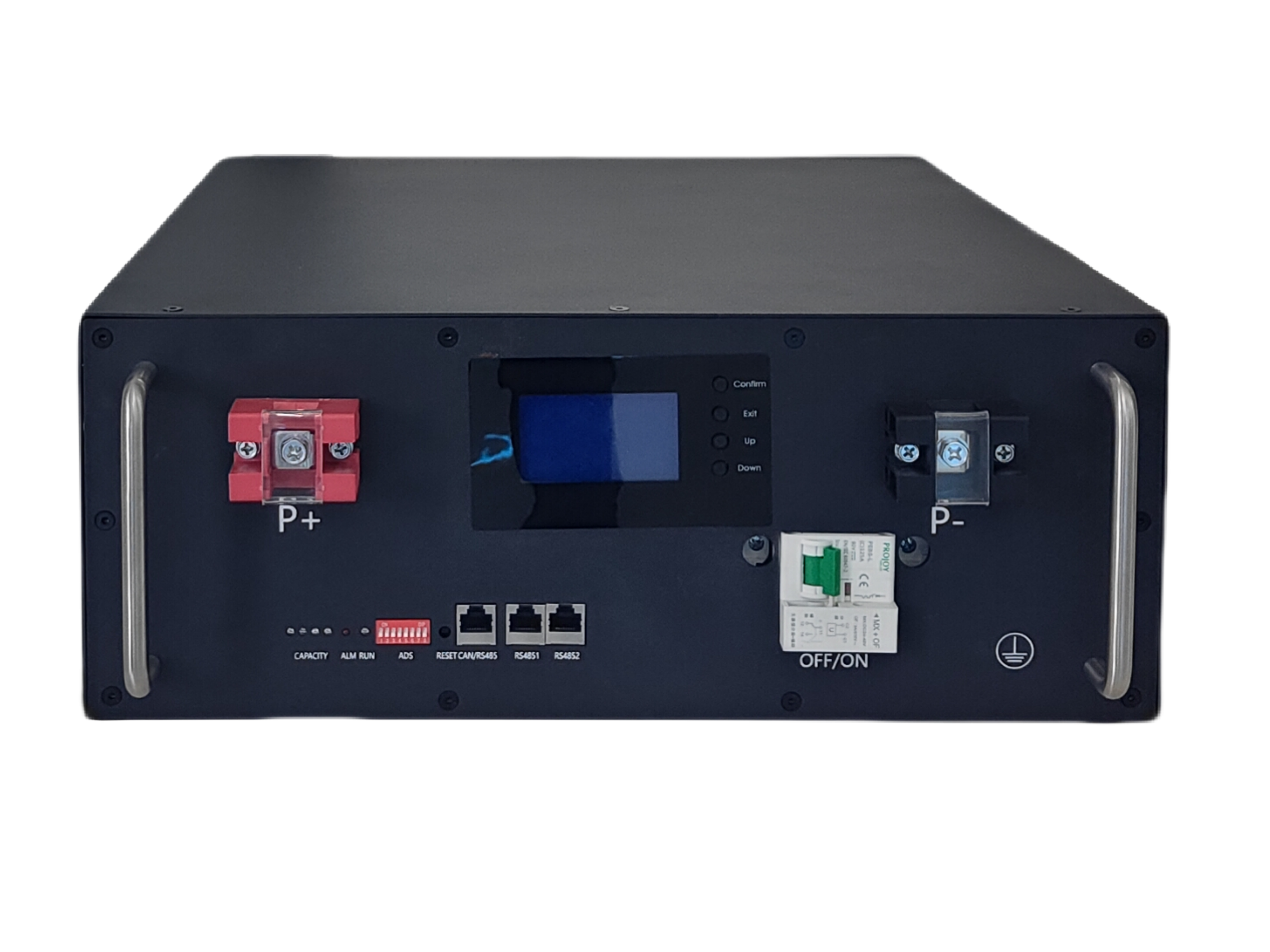
Key Features and Technical Advantages
One of the biggest strengths of a rack-mounted lithium battery is its smart design. Most units come with an integrated Battery Management System (BMS) that monitors voltage, temperature, current, and overall health. This ensures safe operation and protects the battery from overcharging, deep discharge, or overheating. These batteries also support high cycle life, often lasting several thousand charge and discharge cycles. They are lightweight compared to lead-acid batteries and maintain consistent performance even under heavy loads. The rack format allows clean cable management, easy installation, and better airflow, which improves efficiency and system reliability.
Benefits Over Traditional Lead-Acid Batteries
When compared to lead-acid batteries, rack-mounted lithium batteries offer clear advantages. They charge much faster, which is critical for backup power systems that need quick recovery. Their depth of discharge is much higher, meaning you can use more of the stored energy without damaging the battery. Maintenance is minimal since there is no need for regular water topping or corrosion checks. Lithium batteries also have a much longer lifespan, reducing replacement costs over time. In addition, their stable voltage output ensures sensitive equipment stays protected from power fluctuations.
Common Applications and Use Cases
Rack-mounted lithium batteries are used across many industries. In data centers, they provide reliable backup power for servers and networking equipment. In telecom infrastructure, they ensure uninterrupted communication during power outages. Solar and renewable energy systems use these batteries to store excess energy for nighttime or emergency use. Industrial facilities rely on them for critical machinery and control systems. Even commercial buildings and smart homes are adopting rack-mounted lithium batteries for energy storage, peak shaving, and power backup solutions. Their flexibility makes them suitable for both small and large-scale installations.
Installation, Scalability, and System Design
Installation of a rack-mounted lithium battery is straightforward due to standardized rack sizes. Most units are designed to slide into a 19-inch rack, similar to servers or UPS systems. This makes integration with existing power infrastructure simple. Scalability is another major benefit. Users can start with a small battery bank and expand capacity by adding more modules as demand increases. Parallel and series configurations allow customization of voltage and capacity. Proper planning ensures balanced loads, good ventilation, and safe wiring, which helps the system perform efficiently for many years.
Safety, Maintenance, and Reliability
Safety is a top priority in rack-mounted lithium battery systems. The built-in BMS continuously monitors operating conditions and can shut down the system if abnormal behavior is detected. Many batteries also include fire-resistant casings and advanced cell chemistry for added protection. Maintenance requirements are very low, mainly involving periodic system checks and firmware updates if applicable. Unlike traditional batteries, lithium units do not suffer from memory effect or frequent degradation. Their reliability makes them suitable for mission-critical environments where downtime is not an option.
Cost Efficiency and Long-Term Value
Although the initial cost of a rack-mounted lithium battery may be higher than traditional alternatives, the long-term value is significant. Longer lifespan, higher efficiency, and reduced maintenance lead to lower total cost of ownership. Energy efficiency helps reduce power losses, and fast charging minimizes downtime. For businesses, this means better operational continuity and lower replacement expenses. As lithium technology continues to advance, prices are becoming more competitive, making rack-mounted lithium batteries a smart investment for modern power systems.
Future Trends and Growing Demand
The demand for rack-mounted lithium batteries is growing rapidly as industries move toward cleaner and smarter energy solutions. With the rise of renewable energy, electric infrastructure, and data-driven operations, reliable energy storage is more important than ever. Manufacturers are focusing on higher capacity, improved safety, and smarter monitoring features. Integration with energy management systems and remote monitoring is becoming common. In the future, rack-mounted lithium batteries will play a key role in building resilient, efficient, and scalable power infrastructures across the world.